Most people imagine Cappadocia as dry valleys and soft rock formations. Then they arrive at Ihlara Valley and pause for a second. Green trees. Flowing water. A shaded canyon that feels closer to a nature hike than a typical Cappadocia stop. It doesn’t match expectations. And that’s exactly why it stands out.
If you’re planning visiting Ihlara Valley, you’re not just adding another attraction. You’re stepping into a completely different environment within Cappadocia. According to UNESCO World Heritage Centre, the broader region is recognized for how natural formations and human history exist together. Ihlara shows that in a different way.
Here, the story is not only carved into rock. It runs along a river. The Melendiz River shaped this canyon over thousands of years, creating a long valley filled with vegetation, walking paths, and hidden churches. But here’s where most first-time travelers hesitate.
- Is it worth the distance?
- Do you need to hike the entire valley?
- And how much time should you really plan?
Cappadocia4U Team Insight:
“Ihlara surprises people. It doesn’t look like Cappadocia at first, but that’s exactly what makes it memorable.”
We’ll explore everything step by step. From what to expect on the trail to how to plan your visit without overthinking it.
No Regrets Booking Advice
7 Fascinating Facts about Ihlara Valley
- Stretching 14 km (8.7 miles) long and reaching depths of up to 150 meters, Ihlara Valley is one of the largest canyons where people have lived.
- The valley’s steep cliffs and hidden caves made it a safe haven for early Christians fleeing Roman persecution.
- Ihlara Valley is dotted with more than 100 ancient churches, some dating back to the 4th century, featuring well-preserved frescoes.
- The Melendiz River flows through the valley, providing fresh water and fertile land that supported communities for centuries.
- The valley offers one of the best hiking experiences in Cappadocia, with trails that lead through lush greenery, caves, and historic ruins.
- Many of the valley’s churches are only accessible by climbing steep staircases, making them incredibly secluded and peaceful.
- At the end of the valley, you’ll find Selime Monastery, one of the largest rock-hewn religious complexes in Cappadocia, complete with a cathedral, tunnels, and living quarters.
Why Ihlara Valley is Cappadocia’s most surprising landscape
Ihlara Valley stands out in Cappadocia because it feels completely different from the region’s typical scenery. Instead of dry rock formations, you walk through a green canyon with a river, shaded paths, and a more natural hiking experience.
If you want variety in your trip, this is where you find it.
Why it feels different immediately
Most of Cappadocia feels open and exposed. Ihlara doesn’t. You descend into the valley, and everything changes. Trees line the path. The sound of water replaces the quiet of open landscapes. The temperature drops slightly, especially in warmer months.
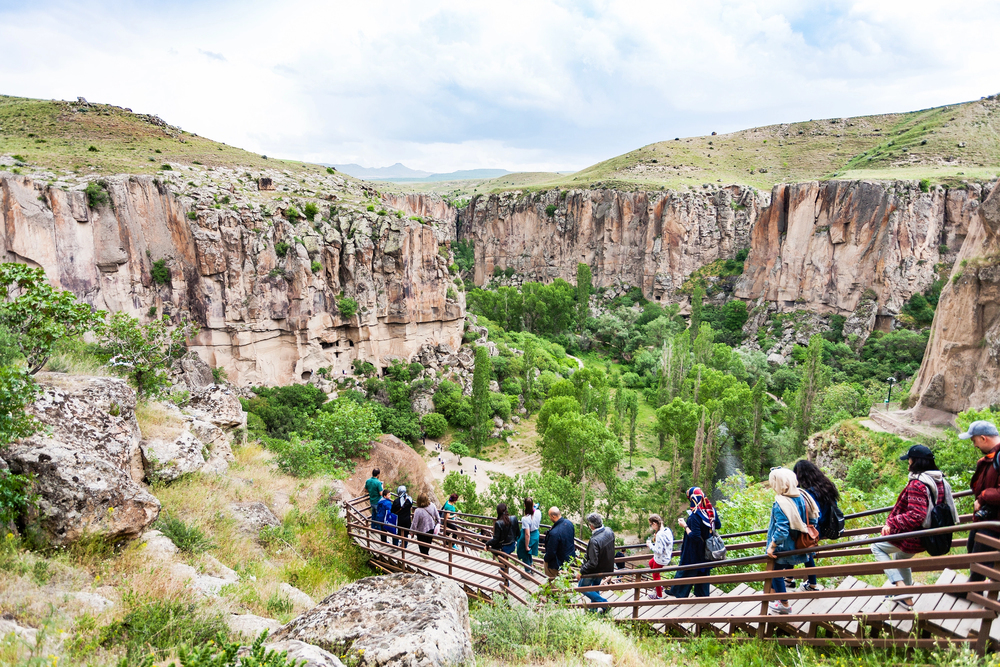
It feels enclosed. And that shift is noticeable right away.
According to Republic of Türkiye Ministry of Culture and Tourism, the valley was formed by the Melendiz River, which carved a deep canyon through volcanic rock over thousands of years.
That’s what created this contrast.
Why travelers don’t expect it
Most people come to Cappadocia expecting one type of landscape. Rock formations. Fairy chimneys. Open valleys. So when they arrive at Ihlara Valley Cappadocia, it feels unexpected. Almost like a different destination.
We’ve seen travelers pause at the entrance, not because it’s overwhelming, but because it doesn’t match what they imagined.
Cappadocia4U Team Advice:
“Ihlara is where Cappadocia changes pace. It’s quieter, greener, and more relaxed than most places.”
Who will enjoy it the most
This is a great fit if:
- You enjoy walking or light hiking
- You want a break from crowded sites
- You prefer nature over structured attractions
It’s not better than other places. It’s different. And for many travelers, that difference is exactly what makes visiting Ihlara Valley worth it.
What is Ihlara Valley?
Canyon formation and river
To understand Ihlara Valley, you need to imagine time working slowly. Long before it became a hiking route, the Melendiz River began carving its way through soft volcanic rock. Over thousands of years, it created a deep canyon that now stretches for about 14 kilometers.
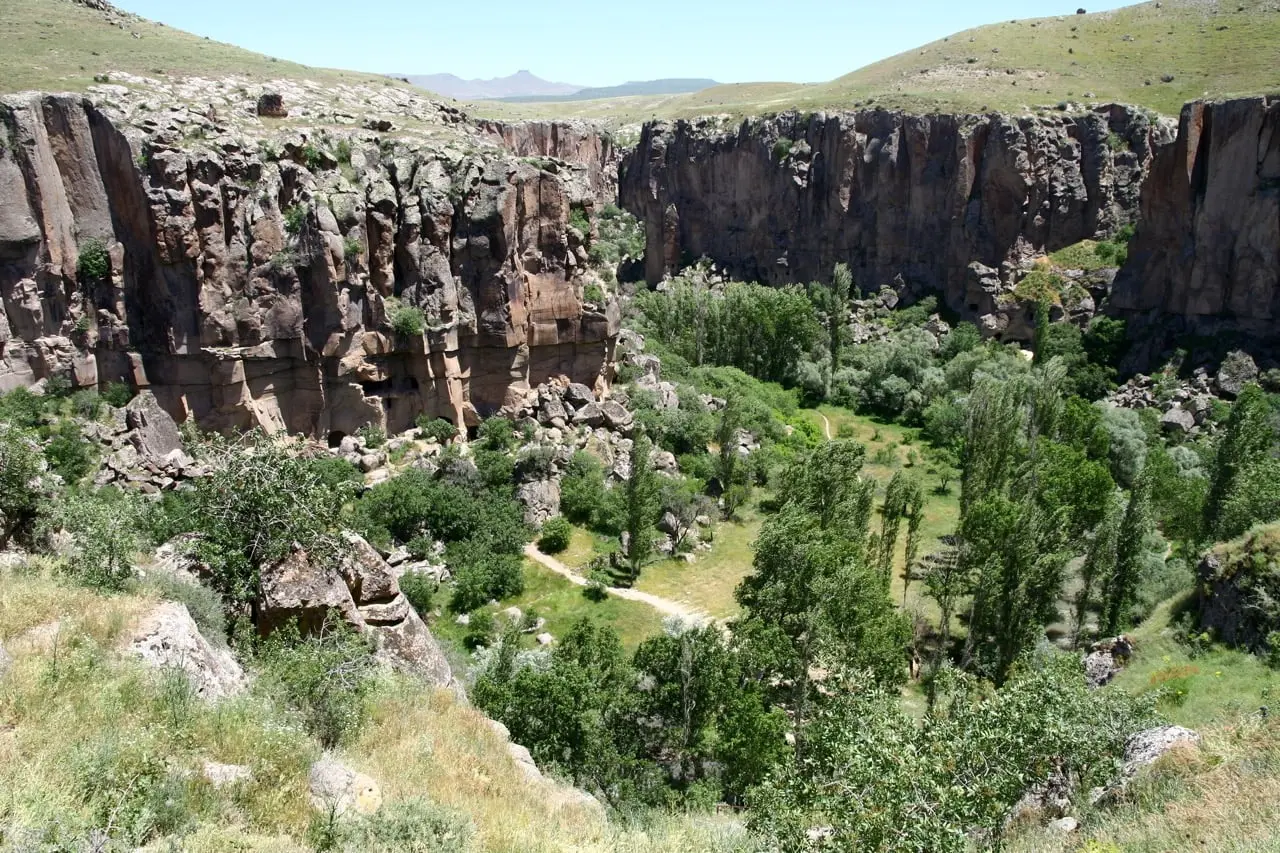
That’s what you walk through today. Not a designed path. A natural formation shaped by water.
According to Republic of Türkiye Ministry of Culture and Tourism, the valley reaches depths of up to 150 meters in some sections, creating a sheltered environment very different from the open landscapes of Cappadocia.
That’s why it feels cooler, greener, and more enclosed.
Early Christian settlements
But the valley is not only about nature. People lived here. Early Christian communities settled along the canyon, carving churches directly into the rock walls. These spaces were used for worship, shelter, and daily life.
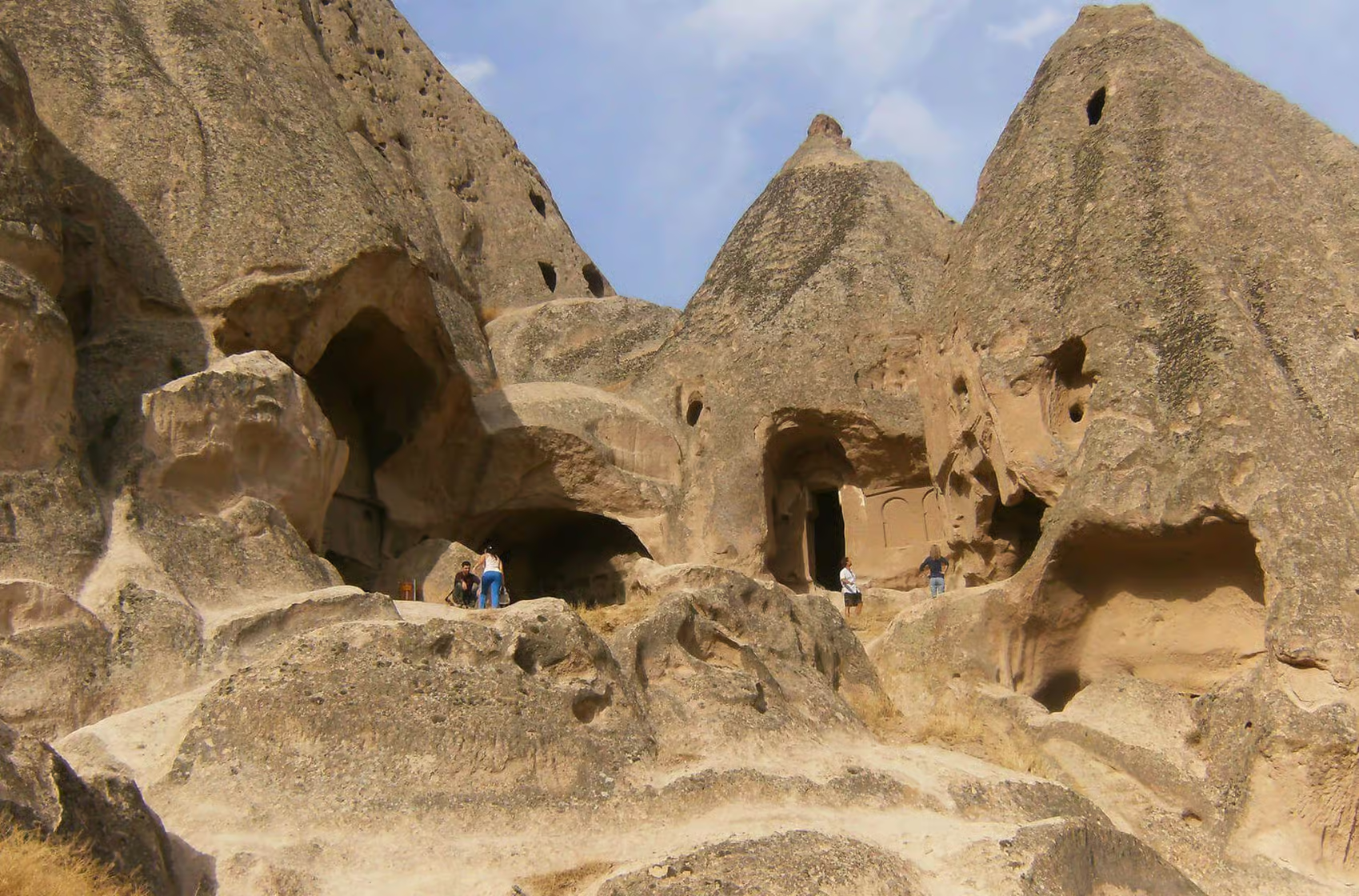
You’ll see them as you walk. Small entrances hidden along the path. Interiors with traces of frescoes. Simple structures built into the rock.
According to UNESCO World Heritage Centre, this combination of natural landscape and human adaptation is what makes the region historically significant.
Why it’s unique
At first, it feels like a nature trail. Then you notice the details. A carved doorway. A hidden chapel. A staircase leading into rock. That contrast defines Ihlara Valley Cappadocia.
You’re walking through nature, but history is always nearby.
Cappadocia4U Team Insight:
“Ihlara is not just a hike. It’s a mix of landscape and hidden history that reveals itself slowly as you walk.”
So, you’re not visiting a single site. You’re moving through a long, living environment. And that’s what makes visiting Ihlara Valley feel different from everything else in Cappadocia.
What to see in Ihlara Valley
Rock-cut churches along the canyon
As you start walking through Ihlara Valley Cappadocia, the first thing you notice is how hidden everything feels. The churches are not grouped together like in other sites. They appear gradually.
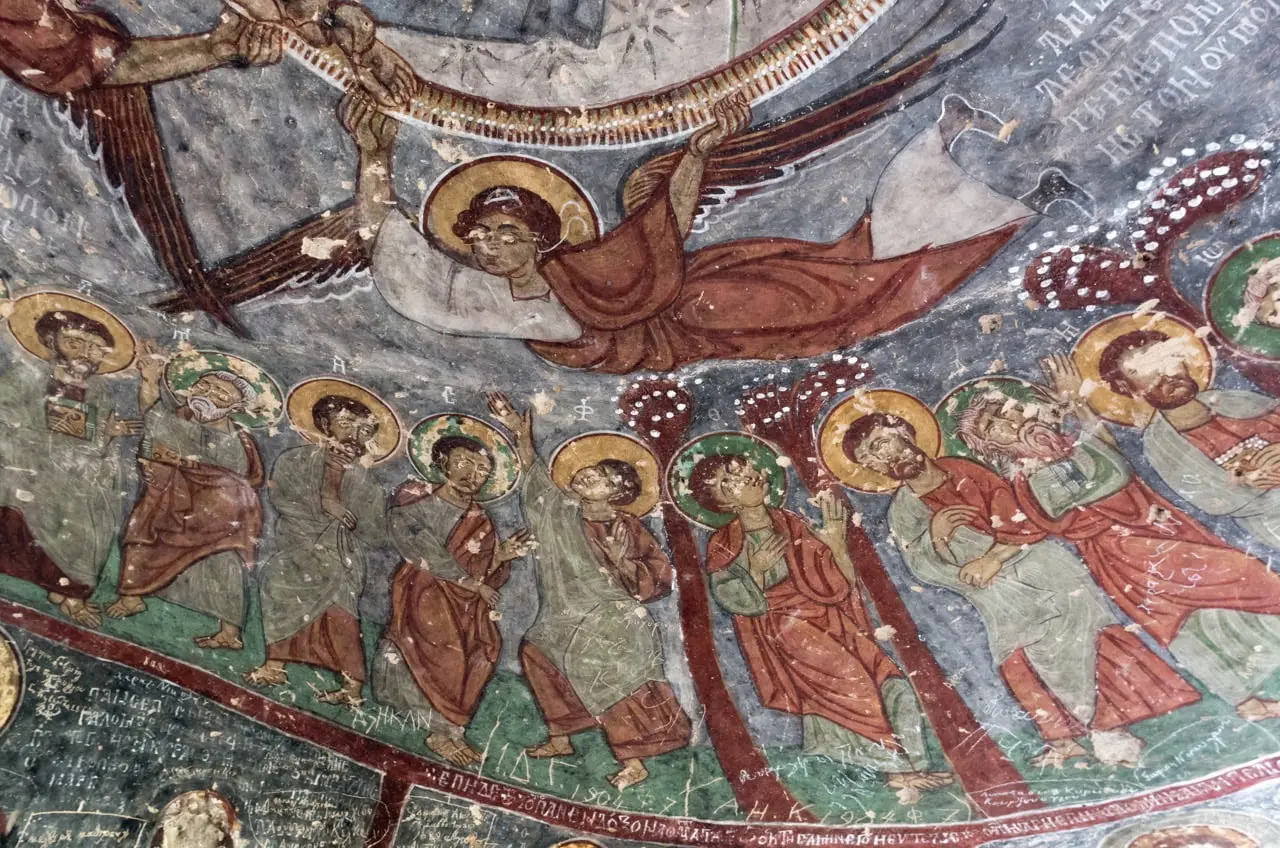
A small entrance on the side of the canyon. A narrow path leading down. Then a carved interior with traces of paintings on the walls. There are dozens of these churches throughout the valley. Some are simple. Others are more detailed, with visible frescoes that tell biblical stories.
According to Republic of Türkiye Ministry of Culture and Tourism, many of these structures date back to early Christian periods and were used as places of worship and refuge.
Walking along the Melendiz River
This is what defines the experience. The Melendiz River runs through the valley, and the main path follows it closely. You walk next to water, under trees, with the canyon walls rising on both sides.
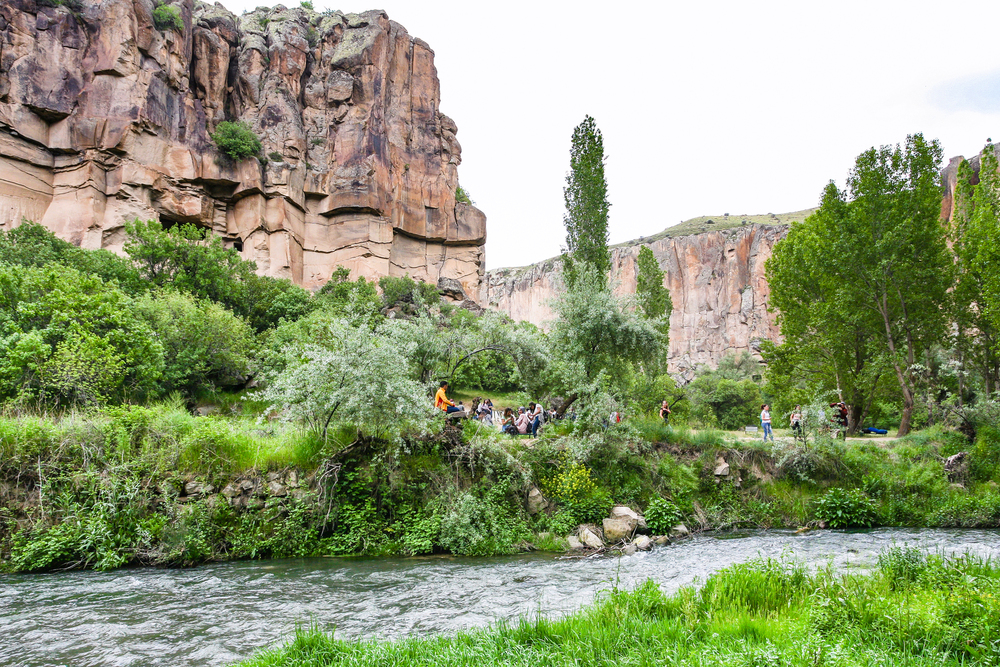
It feels calm. Different from the open, dry valleys most people associate with Cappadocia. And that difference is noticeable the entire time you’re there.
Belisirma village stop
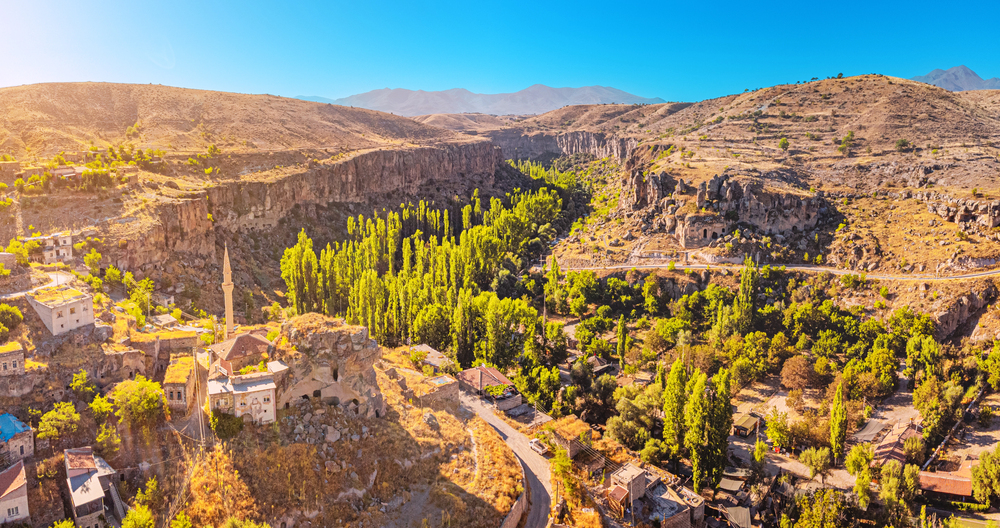
At some point, you’ll reach Belisirma. A small village inside the valley where many visitors stop to rest. There are simple restaurants by the river. Places to sit, relax, and take a break from walking.
For many travelers, this becomes a natural midpoint.
Selime Monastery
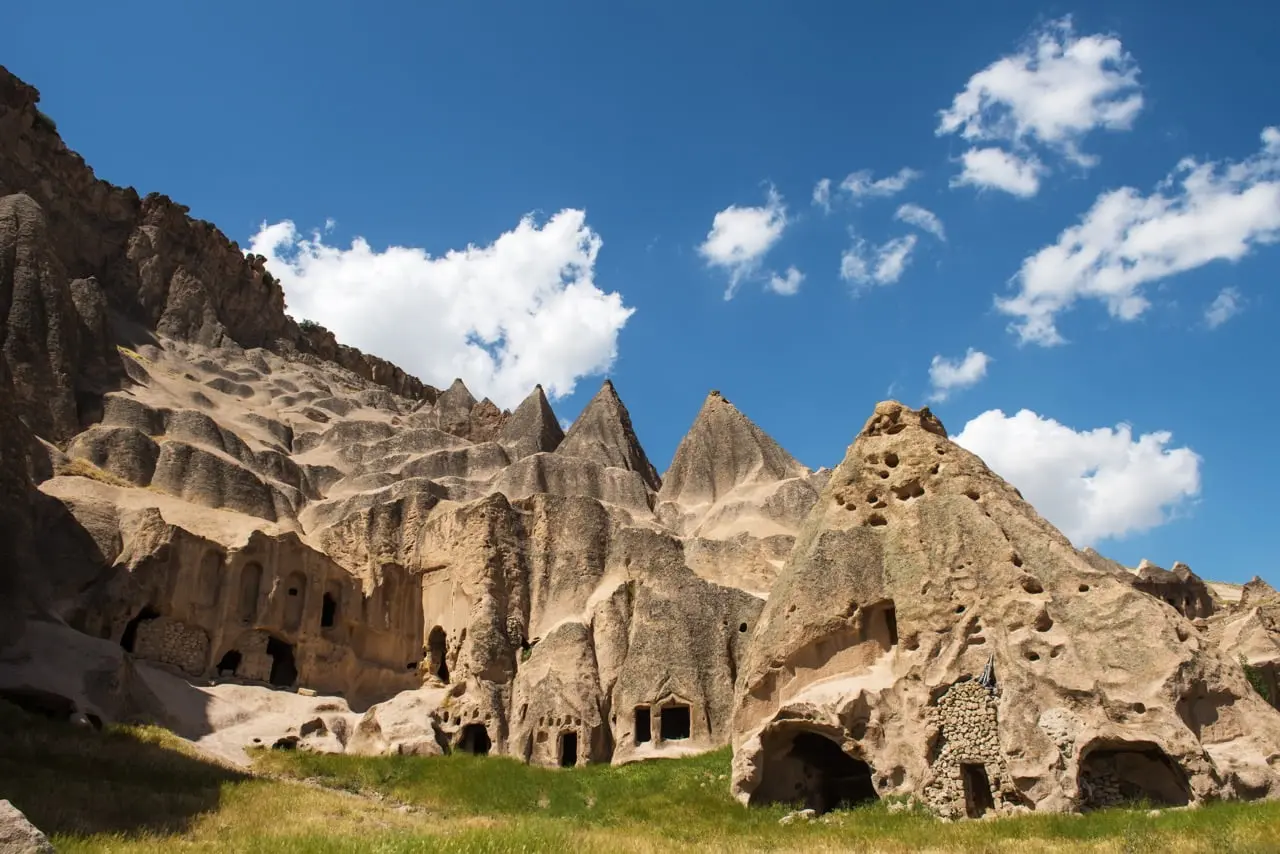
At the far end of the valley, you’ll find Selime. A large rock-cut complex that feels very different from the smaller churches along the trail.
It’s more open. More structured. And gives you a broader view of how spaces were used.
Cappadocia4U Team Advice:
“Don’t rush to Selime. The walk itself is the experience. Selime is just the final point.”
You don’t need to see every church. You just need to stay aware as you walk. Because in visiting Ihlara Valley, the highlights are not all in one place. They appear as you move forward.
What it actually feels like to visit Ihlara Valley
Hiking experience
This is where Ihlara Valley becomes very different from everything else in Cappadocia. You’re not walking between viewpoints. You’re hiking.
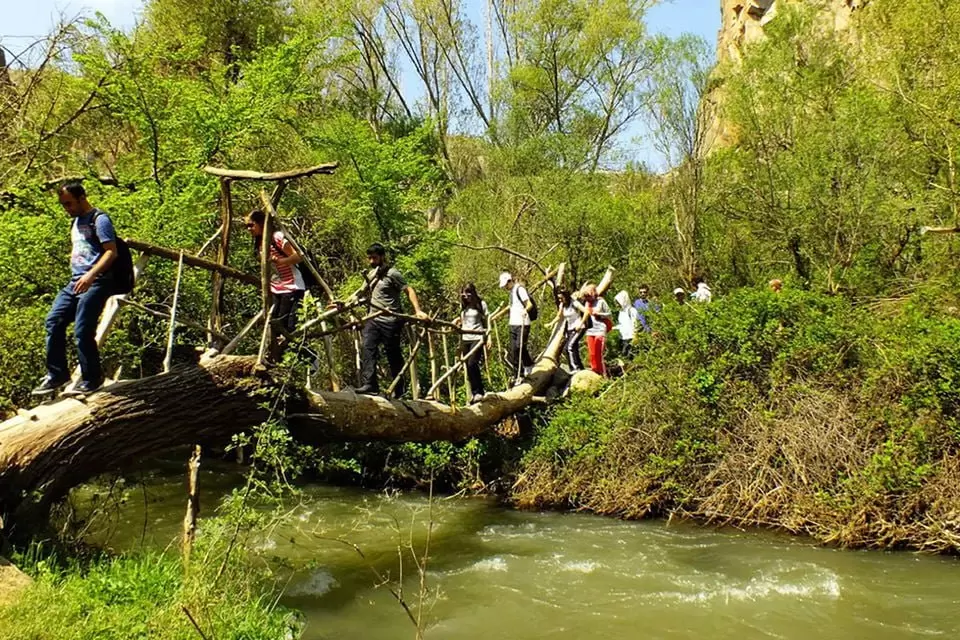
The path runs along the river, mostly flat, with occasional small changes in elevation. It’s not difficult, but it’s longer than most visitors expect.
And the rhythm is slower. You walk under trees. You hear water nearby. The canyon walls stay close, creating a more enclosed feeling.
Stairs and physical effort
The one part that surprises most people comes right at the beginning. To enter Ihlara Valley Cappadocia, you usually need to descend a long staircase. Hundreds of steps. Going down is easy.

Coming back up is different. You feel it. That’s why planning your route matters. Many travelers choose to walk only part of the valley and exit at a different point to avoid climbing back up.
According to visitor experiences shared on Tripadvisor, the stairs are often mentioned as the most physically demanding part of the visit.
Biggest surprises
The biggest surprise is how green it is. People expect Cappadocia to look dry and rocky. Then they arrive here and see trees, shade, and water.
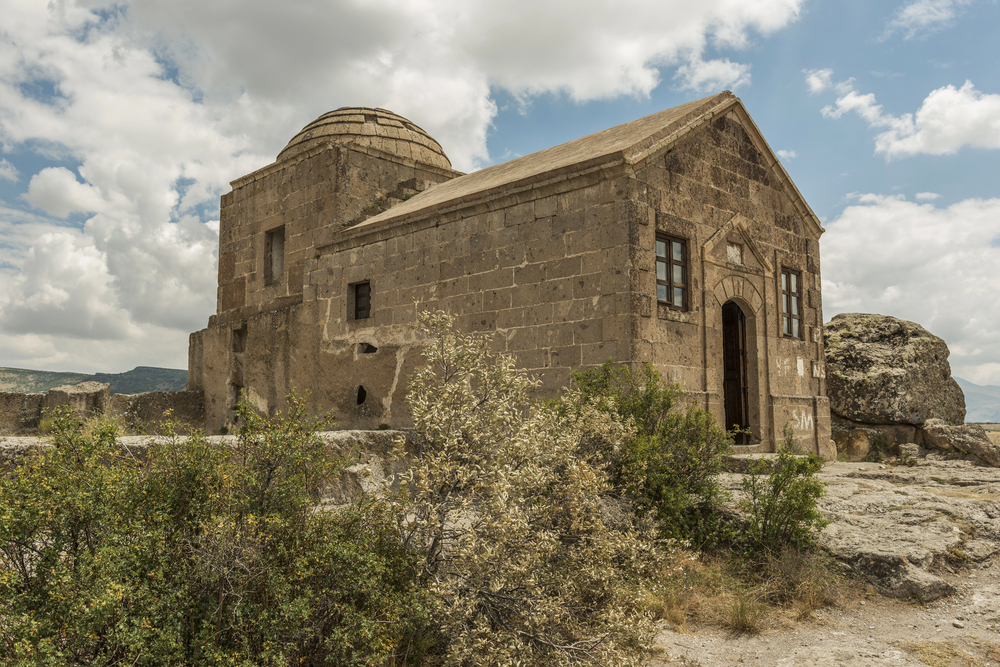
Another surprise is the length. The valley is long, but you don’t need to walk all of it. That’s something many first-time visitors don’t realize.
It usually happens after 15 to 20 minutes of walking. You stop thinking about where you are. And start focusing on the surroundings.
Ihlara Valley tickets & entrance points
Ticket price and what’s included
Planning Ihlara Valley tickets is simple, but the layout of the valley makes things a bit different from other sites. You’re not entering a single area. You’re entering a long canyon with multiple access points.
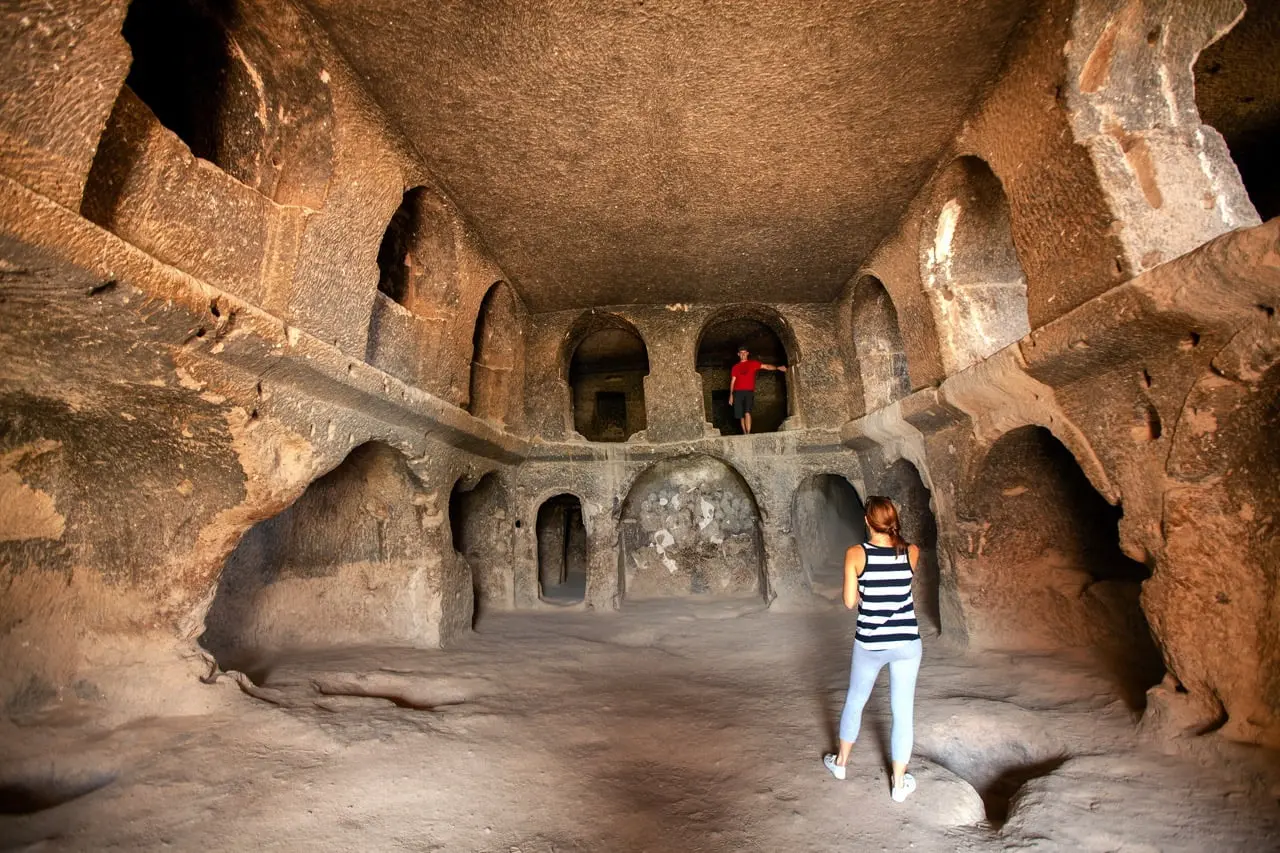
The standard ticket gives you access to the valley and all its sections, including the walking paths, churches along the route, and the area near Selime Monastery.
There are no separate internal fees once you’re inside. According to Republic of Türkiye Ministry of Culture and Tourism, the valley is managed as a protected natural and historical site, which is why access is unified under one ticket.
* Please double check the hours and admissions from muze.gov.tr
Main entrance points
This is where planning matters. There are several ways to enter Ihlara Valley Cappadocia, but the most common starting point is the main entrance near Ihlara village. This is where you’ll find the long staircase leading down into the canyon.
Other entry and exit points include:
- Belisirma (midpoint, easier access)
- Selime (near the end of the valley)
Each one changes your experience.
Best entry strategy for first-time visitors
Don’t try to walk the entire valley unless you’re specifically planning a long hike. A better approach is simple. Start at the main entrance. Walk toward Belisirma. Then stop there.
It’s one of the most enjoyable sections, with a good mix of nature and historical features.
From there, you can rest, eat, and exit without overextending yourself.
Cappadocia4U Team Advice:
“Most travelers don’t need the full valley. The section between Ihlara and Belisirma gives you the best balance.”
So, the direction you choose important. Walking downhill first is easier. Planning your exit point saves energy later.
Opening hours and best time to visit
Seasonal hours
Opening hours at Ihlara Valley follow the general pattern across Cappadocia. In summer, the valley opens earlier and stays accessible until later in the day. In winter, hours are shorter, and daylight becomes more limited.
That sounds easy. But in Ihlara, timing is not only about opening hours. It’s about conditions inside the valley.
According to Turkish Museums, official hours can vary slightly depending on the season, so it’s always worth checking before your visit.
- Summer (April 1 – October 31): 08:00 AM – 07:00 PM (Last entry: 06:30 PM)
- Winter (November 1 – March 31): 08:00 AM – 05:00 PM (Last entry: 04:30 PM)
Morning vs midday vs afternoon
Each time of day changes how Ihlara Valley Cappadocia feels. Morning is calm and fresh. The air is cooler, especially in warmer months, and the path feels more comfortable for walking.
Midday brings stronger light and higher temperatures. Even though the valley has shade, longer walks can feel more tiring.
Afternoon can be a good balance. The light softens slightly, and the temperature becomes easier to manage.
Weather and comfort
This is important more here than in other sites. Because you’ll be walking.
In summer, the shade from trees helps, but the overall distance still makes the experience physically demanding if you go at the hottest time.
In cooler months, the valley can feel very comfortable, even during midday.
Best strategy for first-time visitors
Keep it simple. Go in the morning if you want a comfortable walk. Choose afternoon if you prefer softer light without waking up early. Avoid starting your walk at peak midday heat during summer.
Also unlike short stops, this is a longer experience. So your starting time affects how you feel at the end.
How long to spend in Ihlara Valley
Short visit vs partial hike vs full hike
This is the most important decision when planning visiting Ihlara Valley. Not everyone needs to do the full hike. The valley stretches for about 14 km, but most travelers only walk a section of it.
A short visit can take 1 to 1.5 hours. You enter, walk a small portion, see a few churches, and return.
A partial hike, which is the most popular option, takes around 2 to 3 hours. This usually means walking from the main entrance to Belisirma.
That section gives you the best balance of nature, churches, and rest stops.
A full hike can take 4 to 5 hours or more. This is only recommended if you’re comfortable with longer walks and have enough time.
What actually affects your time
It’s not just distance. It’s how often you stop. You’ll pause to look at churches. Sit by the river. Take photos. Rest in shaded areas.
That naturally slows you down.
Cappadocia4U Team Advice:
“Don’t focus on finishing the valley. Focus on enjoying a section of it. That’s what most travelers prefer.”
Ideal duration for first-time visitors
For most travelers, 2 to 3 hours is ideal. It gives you enough time to:
- Walk a meaningful section
- See several rock-cut churches
- Stop at Belisirma for a break
You don’t need to complete the valley. You just need to choose the right portion.
Trying to do everything can turn the visit into a long walk. Choosing the right section turns it into a balanced experience.
And that’s what makes Ihlara Valley Cappadocia enjoyable instead of tiring.
Is Ihlara Valley worth visiting?
Who will love it
If you enjoy walking, nature, and slower-paced experiences, Ihlara Valley can easily become one of your favorite places in Cappadocia. It offers something different.
You’re not moving between landmarks. You’re following a path through a canyon, with the river beside you and small discoveries along the way.
That makes visiting Ihlara Valley feel more relaxed and less structured than other sites.
It’s a strong choice if:
- You enjoy light hiking
- You want a break from crowded attractions
- You prefer nature over architectural highlights
Who might want to skip it
Let’s be honest. This is not for everyone. If you’re short on time, the distance from Göreme can feel long. If you prefer quick stops and clear highlights, the walking aspect might feel tiring.
And if you’re not interested in hiking, even a short section might feel like more effort than expected. Some visitors expect a viewpoint-style attraction and leave disappointed.
Because Ihlara is not that.
The honest verdict
Yes, Ihlara Valley Cappadocia is worth visiting. But only if it matches your travel style. The valley reflects a unique combination of natural formation and human history, which is why it stands out within the region.
So, visit Ihlara if:
- You want variety in your trip
- You enjoy walking experiences
- You have enough time for a half-day trip
You can skip it if:
- You prefer short, iconic stops
- You’re limited to one or two days in Cappadocia
Best tips for visiting Ihlara Valley
What to wear and how to prepare
This is not a short stop. You’ll be walking for a while, so preparation matters more than at other sites in Cappadocia.
Wear comfortable walking shoes. The path is mostly flat, but there are uneven sections, small bridges, and natural terrain along the way.
Light clothing works well in warmer months, but bring a layer if you’re visiting early in the day. The valley can feel cooler due to shade and the river.
And one simple tip. Bring water. Even though there are places to stop, you’ll want it with you during the walk.
How to plan your walk
This is where most visitors overthink things. You don’t need to walk the entire Ihlara Valley Cappadocia. Choose a section.
The most popular route is from the main entrance down to Belisirma. It gives you a good mix of scenery, churches, and a natural place to stop.
From there, you can rest, eat, and exit without needing to go back up the same stairs.
Cappadocia4U Team Advice:
“Plan your entry and exit before you start. It makes the entire experience smoother.”
Mistakes to avoid
The biggest mistake is trying to do too much. Some visitors attempt the full valley without realizing the distance. That can turn the experience into a long and tiring walk.
Another mistake is ignoring the stairs. They’re easy on the way down, but climbing back up takes effort.
How to include Ihlara Valley in your itinerary
Green Tour vs visiting independently
Most travelers visit Ihlara Valley as part of the Green Tour. It’s one of the main stops, along with underground cities and Selime Monastery. Transport is arranged, and you don’t need to think about logistics.
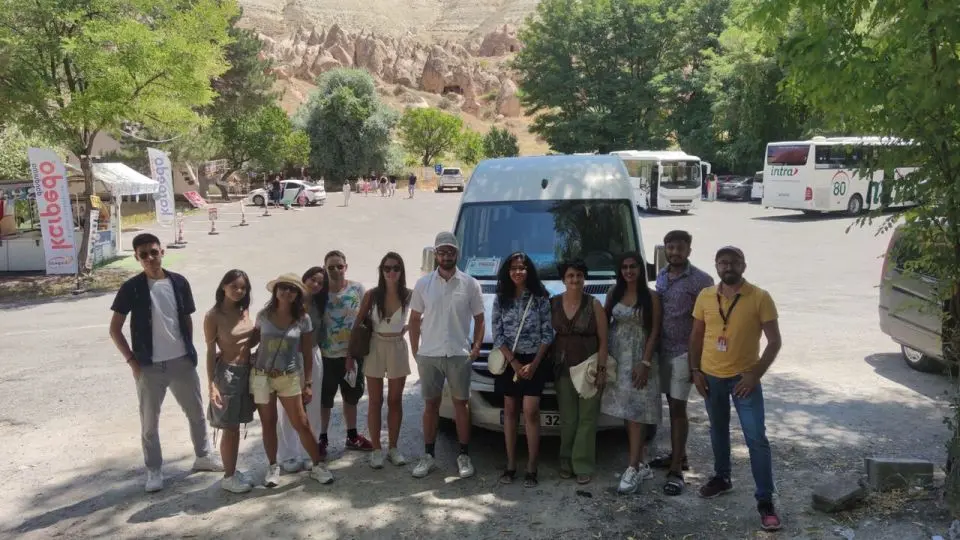
That makes it easy. But there’s a trade-off. Time is limited. Tours usually include a shorter walk, often ending at Belisirma for lunch. It gives you a good introduction, but not a full experience of Ihlara Valley Cappadocia.
If you want more flexibility, visiting independently works better.
It’s about 1 to 1.5 hours from Göreme by car. The drive is longer than other sites, but manageable if you plan your day properly.
And once you’re there, you control everything. Your route. Your pace. Your stopping points.
Cappadocia4U Team Advice:
“The Green Tour is convenient. Independent travel gives you a better feel for the valley.”
Top Selling Green Tour Tickets
Easy half-day plan
Ihlara works best as a half-day experience. Start early. Enter from the main entrance. Walk toward Belisirma. Take a break there. Then continue your day with nearby highlights.
You don’t need to rush.
What to combine nearby
This is where planning becomes efficient. After visiting Ihlara Valley, you can combine it with:
- Derinkuyu Underground City
- Kaymaklı Underground City
- Selime Monastery
These are all part of the same general route.
How to get to Ihlara Valley
Ihlara Valley is located 80 km from Göreme and is one of Cappadocia’s most scenic hiking destinations, featuring a deep canyon with lush greenery, a flowing river, and hidden rock-cut churches.
From Göreme or Ürgüp
Reaching Ihlara Valley from Göreme or Ürgüp takes a bit more planning compared to other Cappadocia sites. Public transport is possible, but not the easiest option.
You can take a minibus from Nevşehir toward Aksaray, then transfer to another bus heading to Ihlara. It works, but it requires timing and patience.
For most travelers, this route feels a bit complicated, especially for a day trip.
If you prefer something smoother, a taxi or shared transfer is much more practical.
From Uçhisar or Avanos
From Uçhisar or Avanos, the distance is similar. The drive takes around 1 to 1.5 hours, depending on traffic and your exact starting point.
A taxi works, but it can be expensive for a round trip.
That’s why many travelers choose to rent a car instead. It gives you full control over your timing and allows you to combine stops along the way.
By rental car
Driving is one of the easiest ways to visit Ihlara Valley Cappadocia. The roads are easy, and navigation is simple.
Parking is available at:
- The main entrance near Ihlara village
- Belisirma village inside the valley
This flexibility makes a big difference, especially when planning your entry and exit points. And there’s one major advantage.
You can stop at Derinkuyu Underground City on the way, turning the journey into a full-day route.
The easiest option for most travelers
If you don’t want to deal with logistics, guided tours are the simplest choice.
The Cappadocia Green Tour with Lunch, Guide, and Entry Tickets usually includes:
- Ihlara Valley
- Derinkuyu Underground City
- Selime Monastery
Our Ihlara Valley experience
Getting to Ihlara Valley
We visited Ihlara Valley as part of a guided Cappadocia Green Tour with Lunch, Guide, and Entry Tickets, and it made the day much easier to manage.
Transport, entry, and timing were already arranged, which helped, especially since the valley is farther from Göreme compared to other sites.
On the way, we stopped at a couple of viewpoints. Göreme Panorama gave us a wide look over the region, and Narlıgöl added a different kind of scenery before reaching the valley.
It felt like a gradual transition. From open landscapes to something more enclosed.
Cappadocia4U Team Advice:
“If you’re visiting Ihlara independently, plan your route carefully. The distance is longer than most Cappadocia stops.”
Arriving at Ihlara Valley
The first impression comes from above. You stand at the edge and look down into the canyon. And it doesn’t feel like Cappadocia.
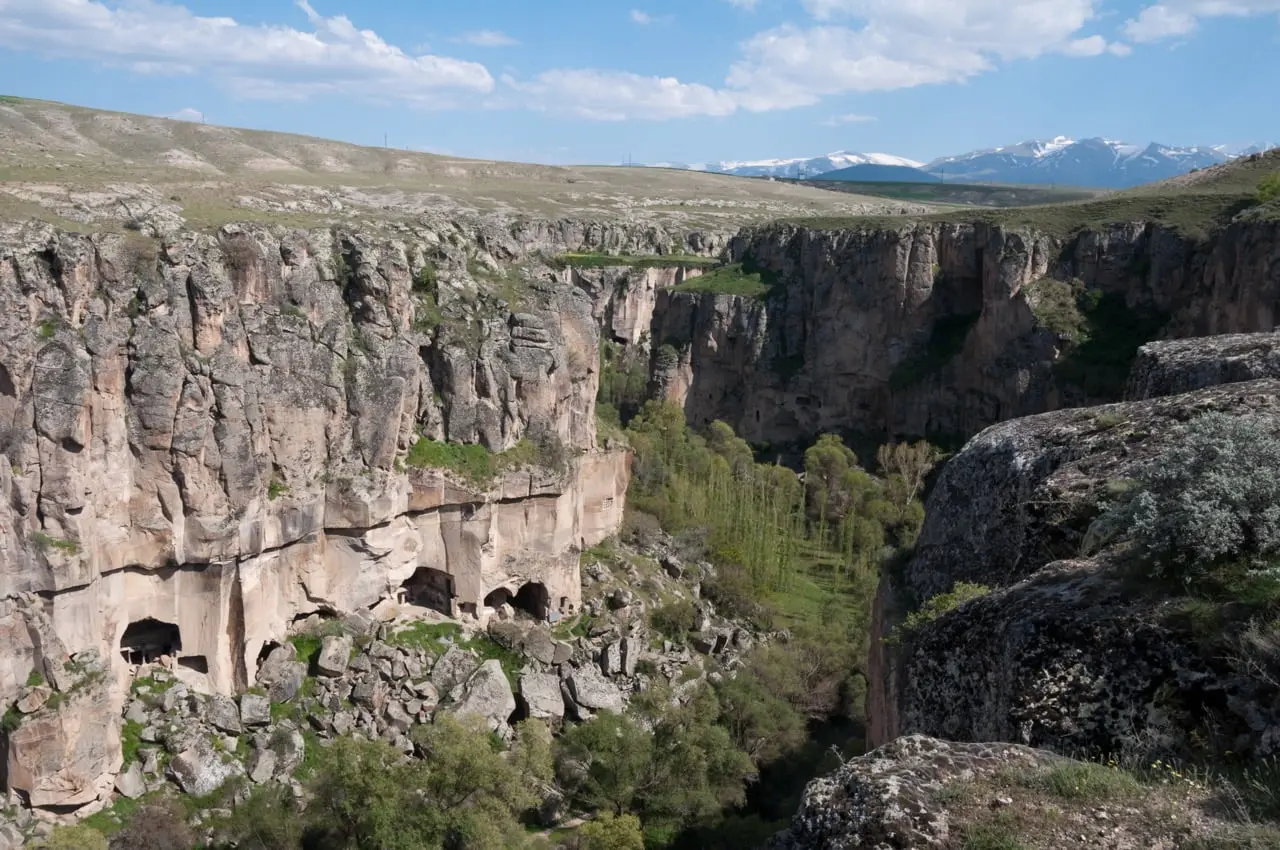
Green trees fill the valley. A river cuts through the center. The cliffs drop steeply around it. It’s unexpected.
According to Republic of Türkiye Ministry of Culture and Tourism, this area once supported a large monastic community, with hundreds of carved spaces and churches hidden along the canyon walls.
From the top, you can’t see most of that. You have to go down.
The descent into the canyon
This is the part everyone talks about. The stairs.
There are hundreds of steps leading down into Ihlara Valley Cappadocia. Going down feels easy at first, but you realize the distance as you continue.
We took it slowly. And it’s worth it.
The view changes with every section. The canyon walls get closer. The sound of the river becomes clearer.
By the time you reach the bottom, the environment feels completely different.
Cappadocia4U Team Insight:
“Take your time on the stairs. The descent is part of the experience, not just the way in.”
Walking through the valley
Once inside, the pace changes. We followed the path along the Melendiz River, walking through shaded sections with trees and water nearby. It felt calm.
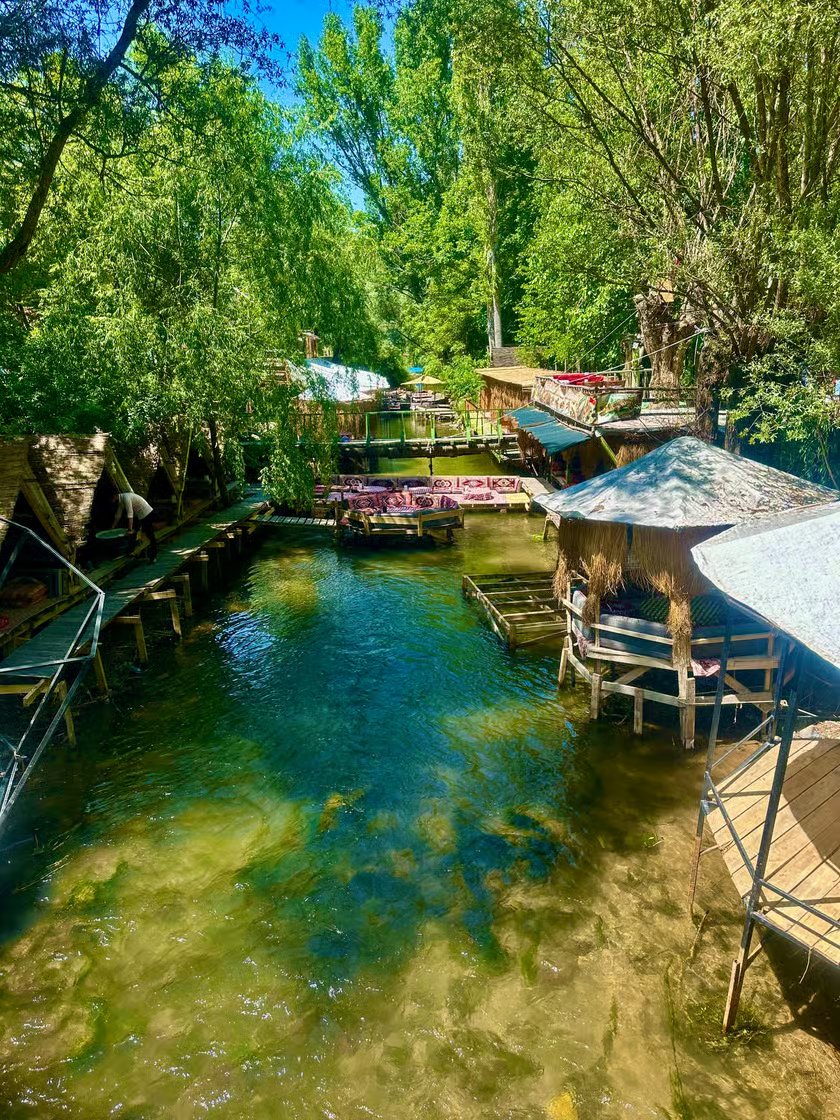
Cooler than expected, even during warmer hours. Along the way, we started noticing the details.
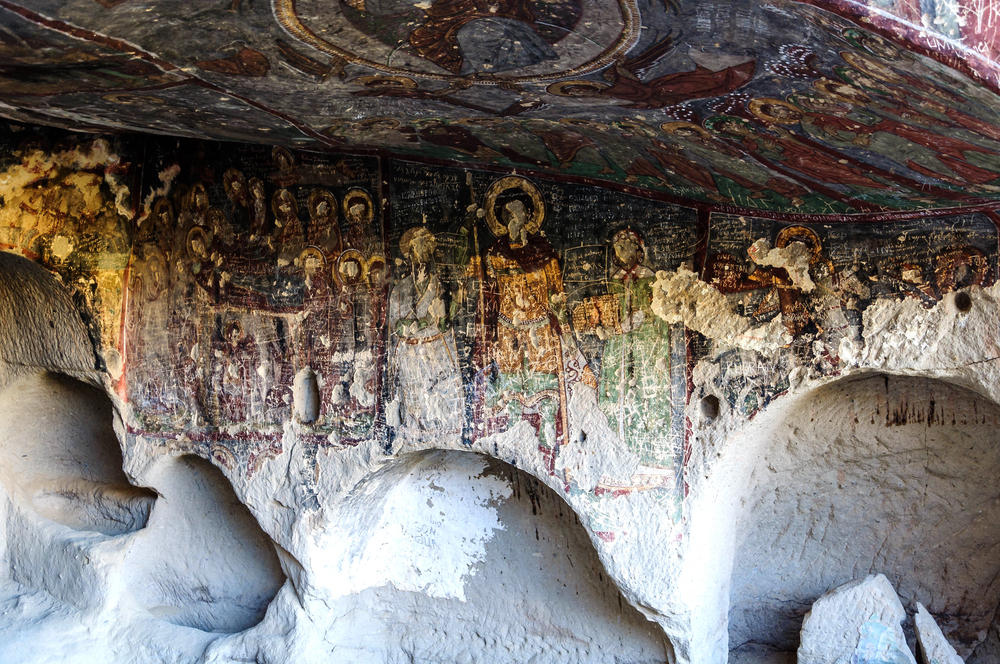
Small churches carved into the rock. Some easy to reach, others slightly higher up. Faded frescoes still visible inside certain spaces.
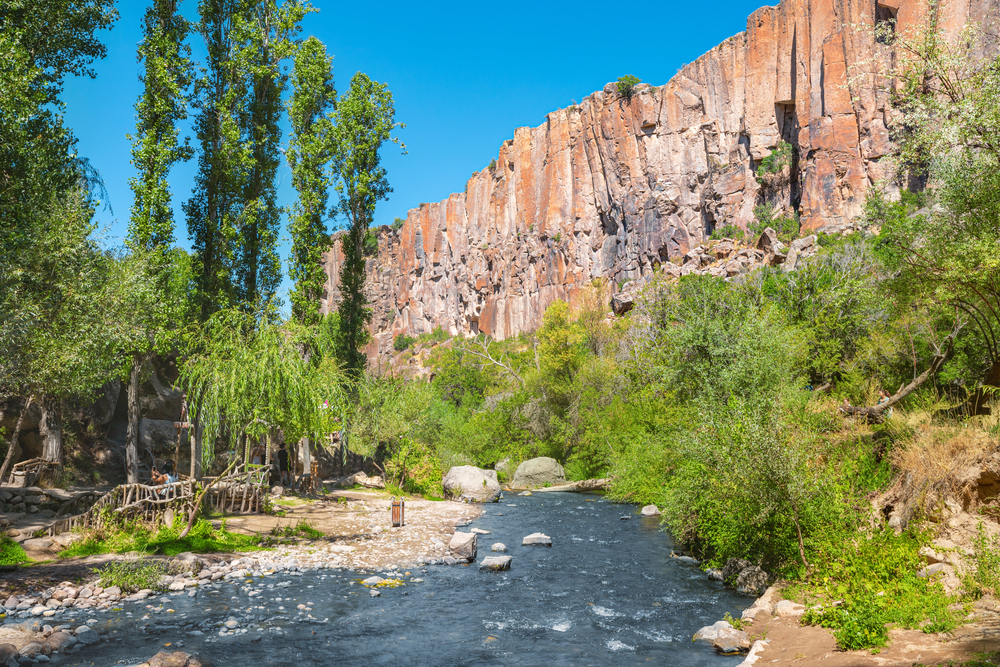
Nothing felt crowded. And nothing felt rushed.
A stop at Belisirma
After a few kilometers, we reached Belisirma. This is where most visitors take a break.
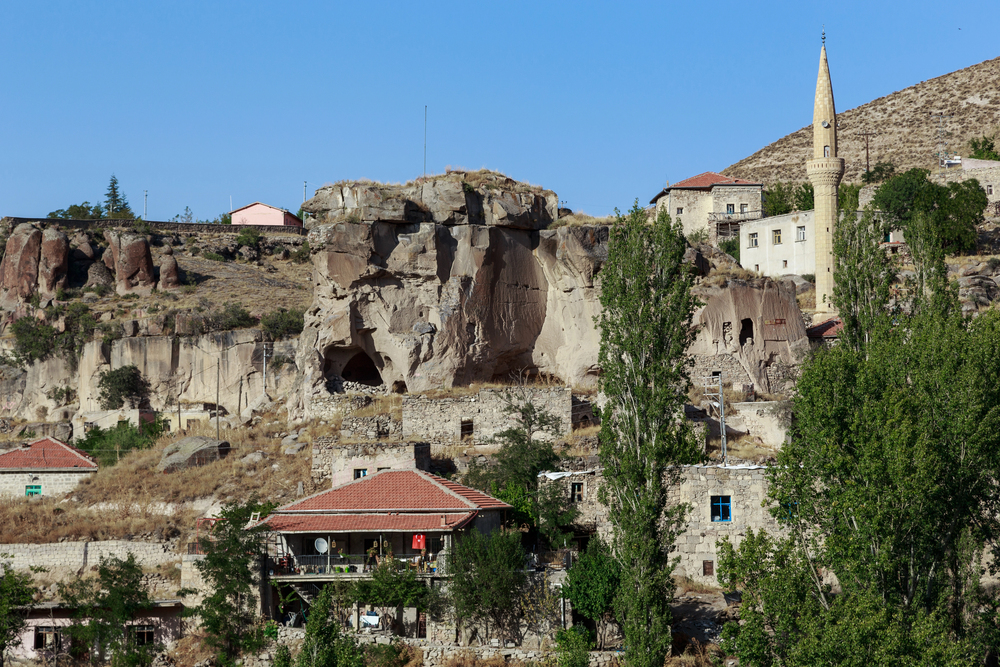
We sat by the river, had a simple meal, and slowed down for a while. It felt like a natural pause in the experience.
Cappadocia4U Team Advice:
“Belisirma is the perfect midpoint. You don’t need to push beyond it unless you really want a longer walk.”
The final stop at Selime
Instead of returning the same way, we continued by vehicle to Selime. This part feels very different.
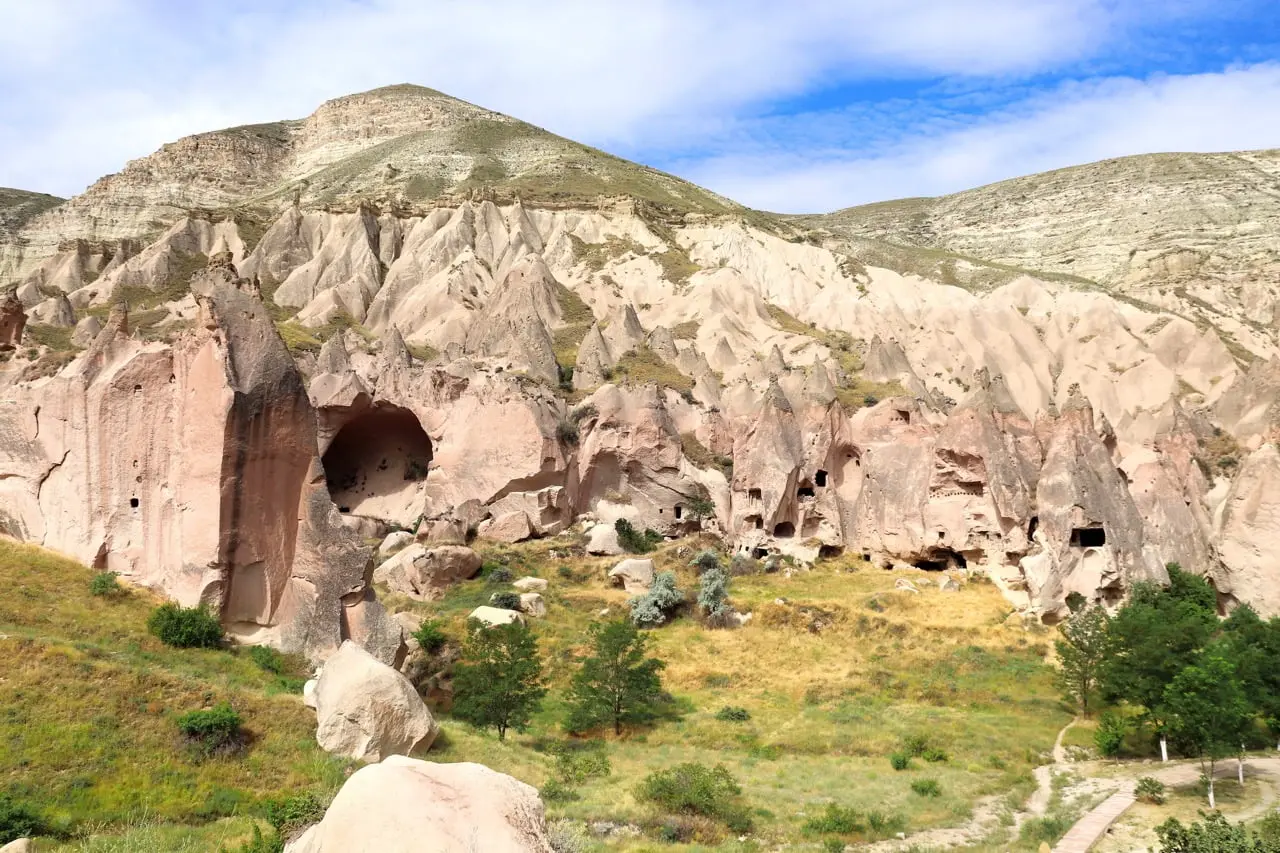
More open. Larger structures. Wide views across the landscape.
It’s one of the most impressive rock-cut complexes in the region, with large carved rooms and open spaces that contrast with the narrower canyon below.
What stood out the most
It wasn’t just the scenery. It was the contrast. You start the day in typical Cappadocia landscapes.
Then you spend hours inside a green canyon that feels completely separate from everything else.
And that shift stays with you.
Common Traveler Questions
Do you need to hike the entire Ihlara Valley?
No. You don’t need to complete the full 14 km route. Most visitors choose a shorter section, usually between the main entrance and Belisirma. That part gives you a good mix of nature, churches, and rest points without turning the visit into a long hike.
How difficult is Ihlara Valley?
It’s considered an easy to moderate walk. The path along the river is mostly flat, but the entrance includes a long staircase. Going down is simple, but climbing back up can feel tiring. Choosing a smart entry and exit point helps reduce effort.
How long does it take to visit Ihlara Valley?
It depends on how much you walk. A short visit takes about 1 to 1.5 hours. A partial hike takes around 2 to 3 hours. A full hike through the entire valley can take 4 to 5 hours or more.
Is Ihlara Valley worth visiting?
Yes, especially if you enjoy nature and walking. Visiting Ihlara Valley offers a completely different experience compared to other Cappadocia sites, with greenery, a river, and a more relaxed pace.
Where should you start in Ihlara Valley?
The most common starting point is the main entrance near Ihlara village. From there, many visitors walk toward Belisirma and finish there. It’s one of the most balanced routes for first-time travelers.
Can you visit Ihlara Valley without a guide?
Yes. The paths are clear and easy to follow. You don’t need a guide, but having basic information beforehand helps you understand what you’re seeing along the way.
Is Ihlara Valley crowded?
Not usually. Because the valley is long and spread out, visitors naturally disperse. Even when there are groups, it rarely feels crowded once you start walking.
What should you wear in Ihlara Valley?
Comfortable walking shoes are important. Light clothing works well in warmer months, but it’s a good idea to bring a layer, especially for early or late visits. The shaded canyon can feel cooler than other areas.
Is there food inside Ihlara Valley?
Yes. Belisirma village has several riverside restaurants where you can take a break, eat, and relax during your walk.
What is the biggest mistake visitors make?
Trying to do too much. Many visitors attempt the full valley without realizing the distance. Choosing a shorter section usually leads to a much better experience.
